


A lot of brand storytelling used to look like architecture. You picked a theme, built a campaign around it, then pushed people toward a landing page and hoped they stayed long enough to get the point.
Short formats broke that flow. Most people meet brands in scraps: a reel watched without sound, a story glanced at on the train, a single screenshot reposted with a caption that changes the meaning. The “story” is no longer one polished arc. It is what someone can understand in ten seconds, and what they remember after the next ten.
That change has forced brands to stop thinking like authors of finished narratives and start thinking like editors of ongoing ones.
Moments beat arcs
Classic storytelling depends on sequence: setup, tension, resolution. A six-second clip does not have room for that. What it can do is land one clean moment: a reveal, a reaction, a small surprise, a point of view you can recognize in half a sentence.
This is why many strong brand accounts feel like they have a personality before they have a message. The audience learns the brand the way they learn a coworker: through repeated signals. What do you joke about. What do you ignore. Do you talk like a person when something breaks, or do you switch to corporate voice the minute the comments get sharp.
Consistency still matters, but it is less “repeat the same claim” and more “repeat the same perspective. ” You can change topics weekly and still feel coherent if the stance stays the same.
The hook is the premise, not the intro
In long-form, you can earn attention. In short-form, attention is the entry fee. The first second has to explain why the clip exists.
Brands adapt by communicating in compressible premises. A contradiction works (“we removed a feature and users got happier”). A confession works (“we shipped this too early”). A simple transformation works (before/after). Even when the subject is complicated, the format pushes you to state the core idea fast and let the viewer decide whether to keep going.
That also explains why “explainers” often underperform unless they are framed as an argument. People do not share what is complete. They share what is instantly legible.
“Authentic” is now something you produce
“Authenticity” used to mean raw footage and imperfect lighting. It still can. But on the best accounts, authenticity is a production choice. You decide what to show, what to cut, and which imperfections to keep because they communicate trust better than polish does.
You can see the shift in how teams work. A creator can cut a rough edit in CapCut, then a brand team can rebuild the same idea in Adobe Express with proper type and logos in ten minutes. The content still feels casual, but it is not accidental. It is designed to look like something a human would actually post.
When that design is honest, it works. When it turns into “relatable persona” theater, people notice. Short formats train audiences to spot patterns fast.
The audience co-writes the story
Short formats are not just short. They are social. The comment section can matter more than the post. A stitched reaction can outrun the original. Even without official remix features, people remix through screenshots, quote posts, and running jokes.
That changes what “storytelling” includes. Community management becomes part of narrative, not a separate support job. The way you reply, what you acknowledge, what you refuse to argue about, and how quickly you show up after a mistake all shape what people think the brand stands for.
Teams that take this seriously tend to build a lightweight “writers’ room” system. Not a giant doc nobody reads, but a living place where examples live: lines that worked, replies that went sideways, phrases that trigger eye-rolls. Notion is a common home for that because it is easy to keep current and easy to share.
Campaigns fade, continuity wins
Short formats reward frequency, but frequency without continuity just feels noisy. The accounts that hold attention usually run like episodic media. They repeat a few themes. They return to the same tension. They make certain formats feel familiar: weekly demos, monthly “what we learned,” recurring behind-the-scenes.
Scheduling tools like Buffer or Later can keep the cadence steady, but the harder part is creative continuity. The question is not “what do we post next,” it is “what are we exploring this month.” If you can answer that in one sentence, the content tends to hang together even when individual posts are small.
Watching has become political
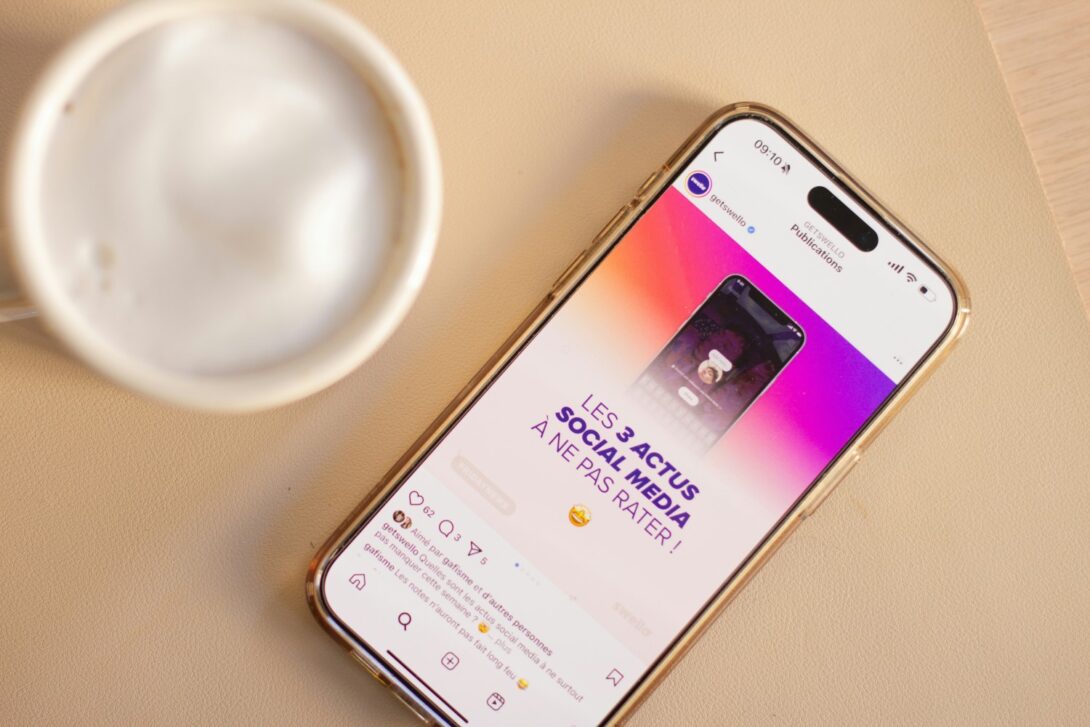
There is a quieter shift too: the social meaning of viewing has changed. On some platforms, being seen watching can feel awkward. People research without wanting to signal intent. They check competitors. They look at a potential employer’s vibe. They follow a niche scene without wanting to become part of it.
So people change their viewing behavior. They bookmark instead of follow. They use secondary accounts. They browse on the web. Some use tools built for anonymous viewing of public content. StoriesIG, for example, is positioned as a way to watch instagram stories anonymously without logging in.
For brands, the takeaway is simple: assume much of your content is consumed out of context, silently, and by people who do not want a relationship with you. Your storytelling has to work for strangers.
What stays true
It is tempting to treat short formats as a trend treadmill. The meme changes, the audio changes, the edit style changes. But novelty is not the main variable. Meaning is.
Short formats are unforgiving. If the story is empty, people scroll. If the story has substance, repetition helps it spread. You do not need a grand narrative. You need a clear point of view that can survive being chopped into small pieces.
Some teams use lightweight research to keep that point of view grounded. Google Trends can show what questions are rising before they become stale. Social listening tools like Brandwatch can show what people actually associate with you, not what you wish they did. None of this replaces taste, but it can stop you from telling stories that only make sense inside your own Slack.
Short-format storytelling is not “long storytelling, but shorter.” It is a different craft. You write for fragments. You write for loops. You write for people who may never turn the sound on. If you get that right, the brand starts to feel like something real: not a campaign, not a content calendar, but a voice that shows up consistently and says something worth repeating.